A Guide for Customers into the World of Custom Cakes
By HomeBakers Team
– By Akhileshwari Anand Raj
With social media making the world smaller than ever, bakers themselves have a hard time keeping up with the trends in the cake & bake industry. I can only imagine how confused a customer must be when he or she hears words like couverture chocolate and fondant draping. Since celebrations are an integral part of our lives, and cakes and other baked goods are an integral part of these celebrations, we decided to put together some basic terms and products. This should guide you, the customer, in making an informed order and ensuring that you are getting what you want!
Cakes and Flavours
This is the base of your baked goods. Whether it is a half kilogram cake or ten, the flavours are what make it. While many of us know the basic flavours – chocolate, vanilla, strawberry, etc., here are some flavours which you may be unfamiliar with:
- Red velvet – it is a chocolate-based cake, which had a higher cocoa content and is not as sweet as your regular chocolate cake. The recipe uses buttermilk and vinegar, which makes it taste quite different. It is coloured red and is topped with cream cheese – which is tangy and not sweet like normal buttercream.
- Banoffee – a very popular pie flavour, this is nothing but a banana +toffee flavour. Bananas are used fresh, and condensed milk is usually cooked until it caramelizes, which brings in the toffee flavour.
Delicious banana cake on table. Sliced fruit biscuit with caramel and buttercream on wooden catering plate, copy space
Frosting
The icing on your cake is where things get quite complicated. It can be covered and decorated in many ways, and this list covers the most commonly used ones –
Unrecognisable woman decorating a delicious layered sponge cake with icing cream
- Butter Cream – made of butter, sugar and any flavouring, it is the cream you usually eat on cupcakes. It is rich, creamy and usually quite sweet. It goes well with almost any kind of cake, so you can’t go wrong with this.
- Whipped Cream – this is the soft white cream that you find in a black forest or pineapple cake. It is very light, almost air-like, and sweet enough to compliment the cake. It keeps the cake so fluffy that you can keep eating the cake and never feel full. It is usually used in cakes and isn’t as common on cupcakes.
- Cream Cheese – this frosting is cream cheese and sugar, and adds a tangy and sharp taste which is great at cutting out the sweetness. Since it is a unique taste, it doesn’t pair well with all flavours of cakes. It is popularly used with red velvet and carrot cakes and is an easy crowd-pleaser.
- Ganache – this is a mixture of quality chocolate and heavy cream, so it makes an incredibly rich topping for your cake. This can be used for any cake but it adds a chocolate flavour, so it won’t pair well with some fruit combinations. It makes any chocolate cake very decadent and is great for decorating too!
- Fondant – This is used to wrap the cake, and is a clay-like sugar-based product. This is used for decorating because it holds its shape very well, but people are using it much lesser now to wrap an entire cake with because it doesn’t taste like anything but sugar. It is also not a very healthy food to eat in large quantities, part of the reason why home bakers have phased it out of use as a frosting.
Decoration
People want to customize their cakes more than ever now, and we see photo pull-out cakes, liquor bottle cakes and even cakes with moving parts! Let’s take a look at some of the popular things used to decorate cakes –
- Sprinkles – the most popular things on cakes are sprinkles of all colours, shapes and sizes. You get them in glitter form and metallic colours too. These are just sugar-based and are safe to eat in any amount.
- Sugar flowers – elegant cakes now feature flowers made of sugar or gumpaste, especially for weddings and engagements. These look very lifelike and are a piece of art themselves. These flowers can be eaten because it is made of sugar and other ingredients.
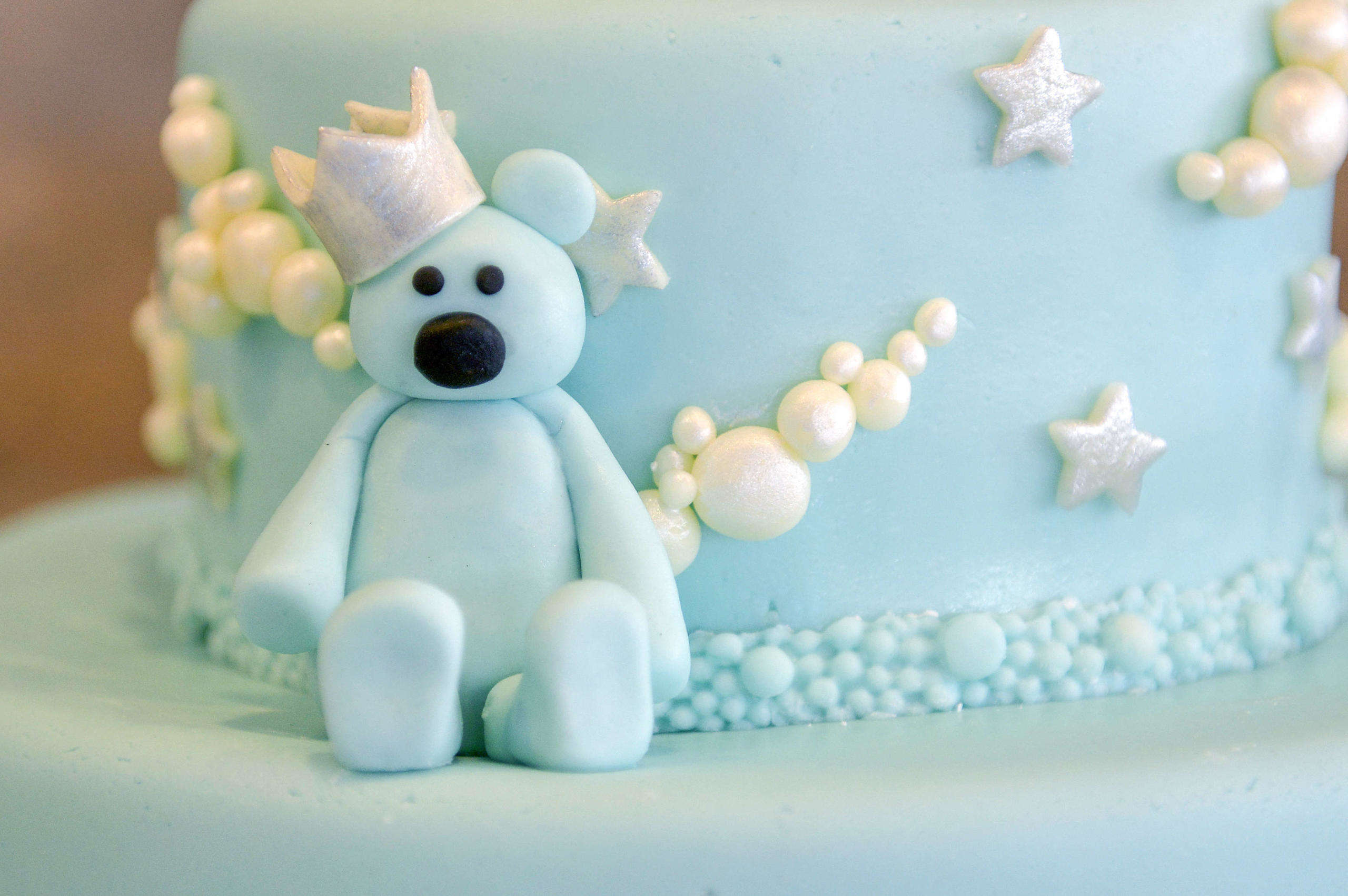
- Fondant toppers – these are made from fondant and placed on the cake. While these are commonly used as it is easy to work with to shape, it is not something that people prefer to eat.
- Photos or money in pull-out form – memory cakes are very in right now, and photos or even money is put in clean plastic sheets and placed inside the cake, and the person can pull it out. It is safe to decorate with and does not affect the cake.
- Toys – many birthday cakes have cartoon figurines and even race cars on them, and they’re all safe to place on the cake as they will be cleaned thoroughly before using it.
Serving sizes
While deciding how much cake to order, your best bet would be to speak to your home baker who will help you understand how much you need. Here is a chart that you can use to estimate how much cake you would need to order. Mini here means 250 grams, and Regular means 500 grams/ half a kg.
| Number of People | Suggested size of cake |
| --- | --- |
| 2-3 | Mini |
| 6-8 | Regular |
| 10-15 | 1.0 Kg (Large) |
| 16-22 | 1.5 Kgs |
| 24-30 | 2.0 Kgs |
| 32-38 | 2.5 Kgs |
| 40-45 | 3.0 Kgs |
| 54-60 | 4.0 Kgs |
| 69-75 | 5.0 Kgs |
Food colouring
Food colouring has been a topic of debate for decades. The dilemma for the baker and the customer is natural v. artificial food colouring. This should explain how one is different from the other –
- Natural – derived from fruits, vegetables or other herbs, this is definitely the healthier option for anyone to consume and in any quantity. The issue is colour pay off. When you use natural options, the colour is never dark or rich enough.
For example, red velvet cakes have a striking deep red, which is very difficult to achieve with beetroot juice. When you try to use more of the natural ingredients to deepen the colour, the baked good’s flavour is bound to change and it affects the overall product. This is why clients ask for artificial food colouring. But this is a perfect option for pastel and light colours.
- Artificial – this comes in many forms and is always safe to eat. But the effects it has on over consumption is a cause for worry as you are filling your body with these chemicals. Immediate effects include staining of your mouth – tongue, lips and teeth. Some of these even stain your hands when put to use. The pro of using this kind is that it doesn’t alter the flavour of the cake, and it has a really good colour pay off – you can achieve even jet black using this!