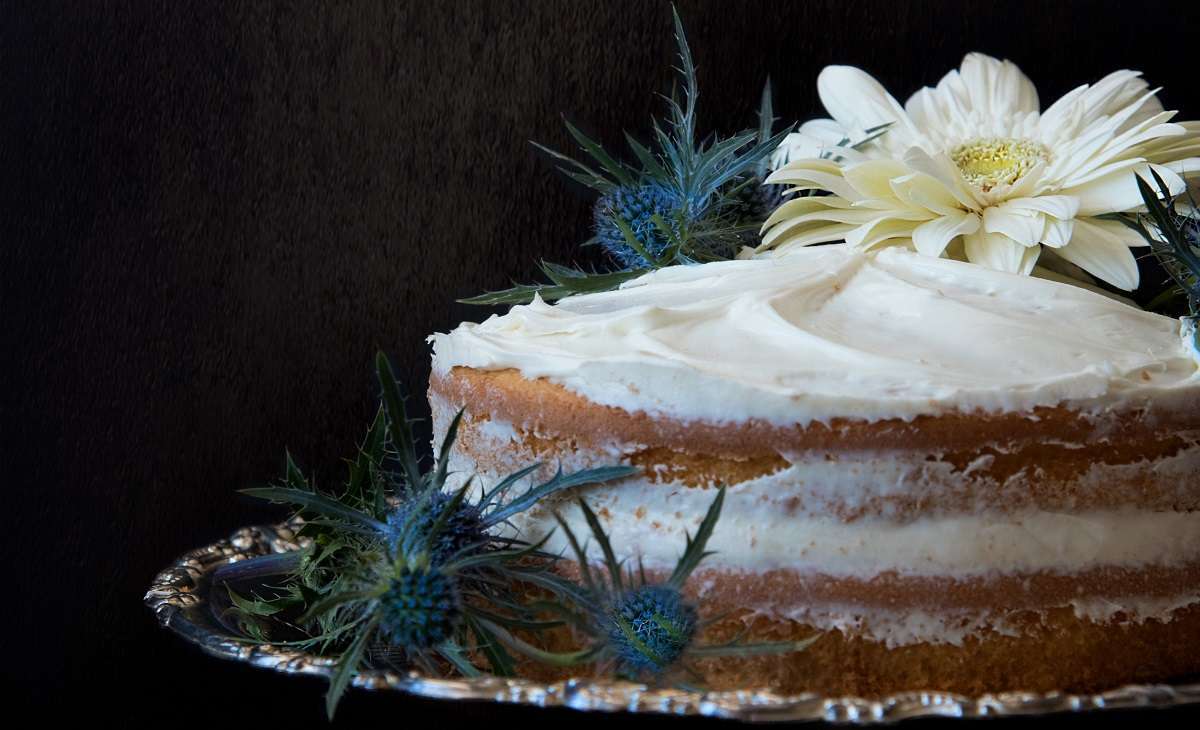
How To Use Fresh Flowers on Cakes
By HomeBakers Team
By Akhileshwari Anand Raj
Flowers have always been a beautiful way to add elegance and character to anything that needs decoration. Cakes, often wedding cakes, have been adorned with flowers. If you are baking a cake at home and need to figure out safe practices to use fresh flowers on your cake, this is the article for you. The biggest dangers with flowers are the fertilizers and pesticides used to grow them. Even when you source them organically, it isn’t easy to ensure complete non-contamination.
Another alternative is to learn how to make flowers using gum paste or special sugar paste available for this purpose. Here is the list of online video tutorials on sugar flowers from Ashwini Sarabhai, one of the top cake artists in India:
* Gumpaste Blossoms, Berries and Buds
* Double Barrel Whipped Cream Cakes
* Quick & Easy Gumpaste flowers
The issue here – this skill takes lots of time and practice. Whether you are a professional or hobby baker, this might not be the best route for you. It takes a lot of time to reach the perfection level so that you can use it on a cake. However, fresh flowers are always one florist trip away. So here are some things to keep in mind while picking out flowers and using them.
Choosing the flowers
This is the very first step and one that is the most important. Flowers are not something everyone has extensive knowledge about, including your florist. So it is quite important to figure out whether the flower you intend to use is toxic or not.
With the more common flowers such as roses, lilies and daisies, one knows that it is not toxic as it is often used in cake decoration. However, with the more uncommon flowers, please ensure you enquire with the florist and check the toxicity level on the internet. Even if the flowers will be cleaned thoroughly and wrapped in floral tape, the risk still exists. If possible, try to buy organic or home-grown flowers, as this will reduce the risk of pesticides getting in contact with the cake.
Flowers That Are Safe: Pansies, Lavender, Violas, Violets, Roses, Marigold, Cornflower, Carnations, Chrysanthemums, Day Lily, Hibiscus, Peony, Chamomile, Freesia, Gerber Daisy, Lisianthus, Queen Anne’s Lace, Primrose, Sunflowers. [Click here for a longer list of poisonous flowers.](#ediblefl<strong>owers”>Click here for a longer list of edible flowers.</strong></a>. </p>
<p><strong>Flowers To Avoid:</strong> Lily Of The Valley, Daffodil, Poinsettia, Azaleas, Calla Lily, Hyacinth, Oleander, Wisteria, Rhododendron, Hydrangea, Mistletoe, Holly, Sweet Pea. <a href=)
Cleaning the flowers
When it comes to cleaning the flowers, start with shaking the flowers gently. This will get the pollen out, in any. Cut the stems to the length that you require, preferably as short as possible. This will ensure nothing from the stems will spill over to the cake. If possible, rinse them lightly with water. This can also be done using a spray bottle. Let it dry for a few minutes before handling it.
Floral tape

Even if your picks are edible, ensure that the stem is covered with floral tape. Floral tape is different from normal tape as it is more durable and suited for use on stems. The reason why it should be used is that the juices from the stem and petals can seep out. It is a bitter-tasting and can compromise the quality of the cake. The floral tape will also add an extra layer of protection against germs or bacteria from the flowers.
How to place this on the cake?
The placement of always depends on your design brief and ideas. If you have small or feeble flowers, you could bundle them up to ensure it remains sturdy. You can do this using floral tape and a straw. For thicker stems, try the bubble tea straws. Put the stems into the straw and secure it with some tape.
If you need to place the flowers on the top of the cake, you could use several straws and attach it. Another way is to use some wax paper below your bunch to ensure no part of the flower touches the surface of the cake. This may not be the best idea because it will show through in some empty spots. This really depends on the placement required.
Inform customers
Apart from this, a very important point is to always inform your clients not to eat the flowers. While we may regard this as common knowledge, many others might not. Even if your picks are considered edible, do not eat them unless they are grown specifically for human consumption and free of any pesticides and fertilizers.
List of Edible Flowers
+ Alliums (leeks, chives, garlic, garlic chives)
+ Angelica (Angelica archangelica)
+ Anise Hyssop (Agastache foeniculum)
+ Apple Blossoms (Malus species)
+ Banana Blossoms (Musa paradisiaca)
+ Basil (Ocimum basilicum)
+ Bee Balm (Monarda didyma)
+ Begonia – Tuberous begonias and Waxed begonias
+ Borage (Borago officinalis)
+ Burnet (Sanquisorba minor)
+ Calendula (Calendula officinalis) – Also called Marigolds
+ Carnations (Dianthus caryophyllus – aka Dianthus)
+ Chervil (Anthriscus cerefolium)
+ Chrysanthemums (Chrysanthemum coronarium)
+ Cilantro/Coriander (Coriander sativum)
+ Citrus Blossoms (orange, lemon, lime, grapefruit, kumquat)
+ Clover (Trifolium species)
+ Cornflower (Centaurea cynaus) – Also called Bachelors button
+ Dame’s Rocket (Hesperis matronalis) – Also called Sweet Rocket or Dame’s Violet
+ Dandelions (Taraxacum officinalis) – Member of the Daisy family
+ Day Lilies (Hemerocallis species) – Perfect for cake decoration
+ Elderberry Blossoms (Sambucus spp)
+ English Daisy (Bellis perennis)
+ Fennel (Foeniculum vulgare)
+ Fuchsia (Fuchsia X hybrida)
+ Garden Sorrel (Rumex acetosa)
+ Ginger (Zingiber officinale)
+ Gladiolus (Gladiolus spp)
+ Hibiscus (Hibiscus rosa-sinensis)
+ Hollyhock (Alcea rosea)
+ Honeysuckle (Lonicera japonica)
+ Impatiens (Impatiens wallerana)
+ Jasmine (jasmine officinale)
+ Johnny-Jump-Ups (Viola tricolor) – Perfect for cake decoration
+ Lavender (Lavandula angustifolia)
+ Lemon Verbena (Aloysia triphylla)
+ Lilac (Syringa vulgaris)
+ Linden (Tilla spp.)
+ Marjoram (Origanum majorana)
+ Marigold (Tagetes tenuifolia – aka T. signata)
+ Mint (Mentha spp)
+ Nasturtiums Tropaeolum majus)
+ Oregano (Origanum vulgare)
+ Pansy (Viola X wittrockiana)
+ Phlox, Perrennial Phlox (Phlox paniculata)
+ Pineapple Guave (Feijoa sellowians)
+ Primrose (Primula vulgaris)
+ Queen Anne’s Lace (Daucus carota)
+ Roses (Rosa rugosa or R. gallica officinalis)
+ Rosemary
+ Safflower (Carthamus tinctorius)
+ Sage (Salvia officinalis)
+ Savory (Satureja hortensis)
+ Scented Geraniums (Pelargonium species)
+ Snap Dragon (Antirrhinum majus)
+ Sunflower (Helianthus annus)
+ Sweet Woodruff (Galium odoratum)
+ Tulip Petals (Tulipa)
+ Thyme (Thymus spp.)
+ Violets (Viola species) – Perfect for cake decoration
+ Yucca Petals (Yucca species)
To keep getting inspired, do not miss out to get the latest updates on our events, blogs and newsletters on <https://homebakers.co.in>
**Click here to list or find baking and cake decorating classes on homebakers.co.in**